The photographic project “MAYA” by Rebecca Moccia inaugurated at Vinitaly 2026
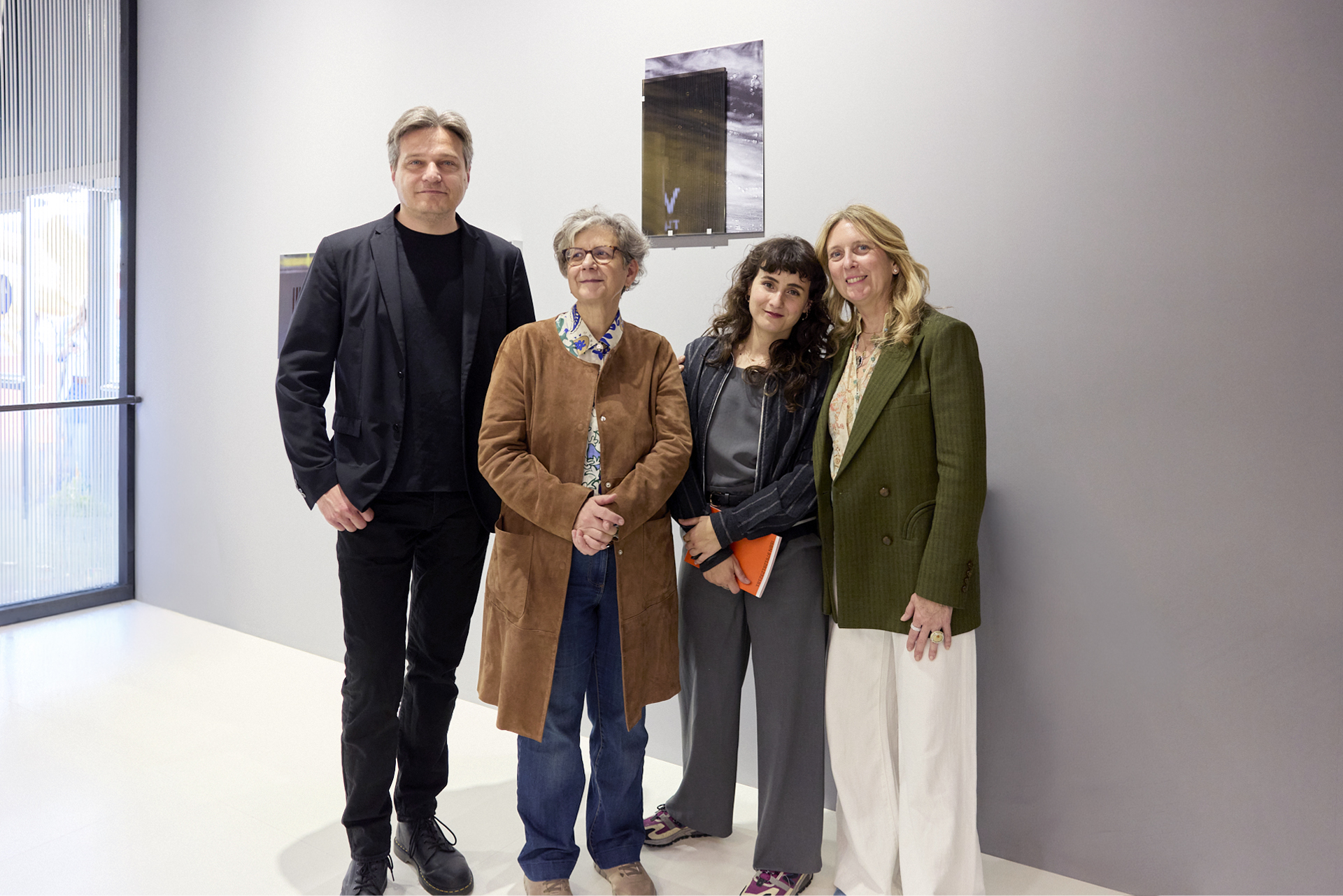
On the occasion of the 59th edition of Vinitaly, Zenato Academy presented “MAYA”, a new project by artist Rebecca Moccia (Naples, 1992), curated by Luca Panaro and inaugurated within the wine fair on Sunday, April 12.
The works, accompanied by an artist’s book published by a+mbookstore in Milan—collecting a visual diary of
the residency along with the project texts—were created during a residency held in September 2025 at the Zenato estates in Lugana and Valpolicella. Here, Moccia explored the territory not as an iconographic setting, but as an ecosystem of material processes. The title itself, MAYA, refers to the black-amber glass used to protect the finest red wines.
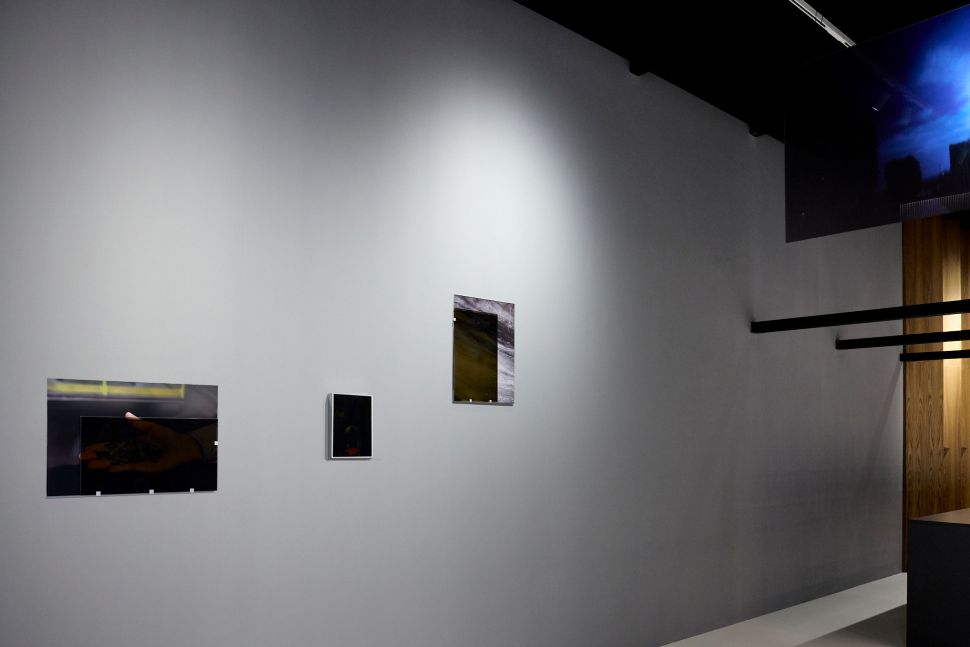
The body of work, consisting of eight elements, unfolds as a complex visual and material dispositif, where photography moves beyond bidimensionality to become sculpture and stratigraphy. The installation develops through a situated research process: Moccia’s photographs are interwoven with “visual notes”—fragments of everyday life, hailstorms, lunch breaks, and dances among the vines—shared with her by the company’s workers. These images, testimonies of labor processes and lived experiences, are overlaid with sheets of dark glass. This material, with its deep black-amber tone, acts not merely as protection but as both a physical and conceptual filter, screening light and “disturbing” clarity, compelling the viewer toward active physical engagement.
Some photographs are framed in handcrafted steel, reminiscent of the tanks used to store wine; in others, image and glass are simply held together by metal hooks. These are complemented by a video installation that directly evokes the place and the concrete experience of labor during the harvest—capturing the moment when workers head to the vineyard at dawn, a moment that can be reclaimed from pure productivity and restored to a perceptual and collective dimension.
“I felt the need to center the project around the materiality of wine production,” explains Rebecca Moccia. “I asked the workers to share affective images of their daily lives—a hailstorm, a lunch break, a dance. What emerged was a collective narrative made of visibility and invisibility.”
“We chose Rebecca Moccia for her ability to dismantle the traditional and informative use of the photographic medium,” says curator Luca Panaro. “Her research goes beyond the surface of the image, delving into the materiality of the medium and its contextual traces. Moccia transforms the photograph into a perceptual device that resonates perfectly with the ‘veils’ and slow rhythms of winemaking, offering a vision that is never purely documentary, but deeply emotional and reflective.”
